School Mold and Childhood Asthma: Protecting Students Through Professional Remediation
The Environmental Protection Agency estimates that half of America's 115,000 public and private K–12 schools have indoor air quality problems — and mold is among the most common and consequential. For the 6.1 million children in the United States diagnosed with asthma, mold spores circulating through classroom ventilation systems are not a maintenance inconvenience; they are a daily trigger that sends students to the nurse's office, the emergency room, and in severe cases, the intensive care unit. Understanding the connection between school mold and childhood asthma is the first step toward protecting the students who depend on schools to provide safe, breathable environments.
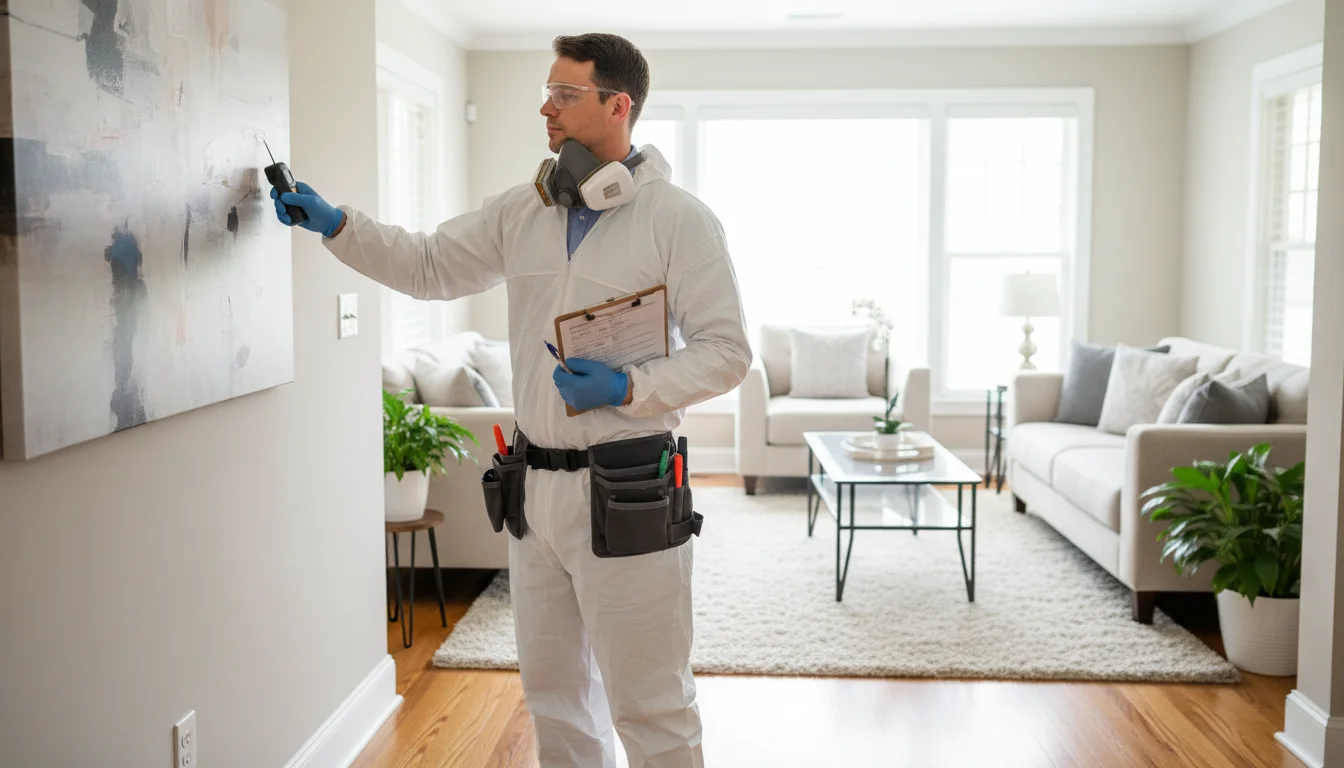
How Mold Exposure Triggers Asthma Attacks in the Classroom
Mold produces microscopic spores, mycotoxins, and volatile organic compounds that, when inhaled, irritate the lining of the airways. In children with asthma, this irritation provokes bronchoconstriction — the airways narrow, mucus production increases, and breathing becomes labored. A child who was fine at breakfast may be wheezing by second period. The EPA's Tools for Schools program has documented that dampness and mold in school buildings increase the risk of asthma exacerbation by 30–50%, making mold remediation in educational facilities a public health matter rather than a custodial checkbox.
The mechanism is cumulative. A classroom with a slow plumbing leak inside a wall may release spores for months before visible staining appears. During that window, sensitized students experience progressively worsening symptoms: morning cough, reduced exercise tolerance in PE class, nighttime awakenings, and a rising reliance on rescue inhalers. School nurses consistently report that asthma-related visits spike during the winter months when windows stay closed and heating systems recirculate spore-laden air through inadequately filtered ductwork.
Which Students Are Most at Risk
Not all students face the same level of vulnerability. Children with pre-existing moderate-to-severe persistent asthma are the most obvious high-risk group, but the danger extends further. Students with allergic rhinitis, atopic dermatitis, and other atopic conditions have immune systems already primed for exaggerated responses to environmental allergens, including mold spores. Children on immunosuppressive therapy — including those being treated for leukemia or managing organ transplants — face the risk of invasive fungal infections from airborne Aspergillus species that healthy immune systems would clear without incident.
Students from low-income households are disproportionately affected. The Centers for Disease Control and Prevention reports that Black children are twice as likely to have asthma as White children and four times more likely to be hospitalized for it. When those same children attend under-resourced schools with deferred maintenance and chronic roof leaks, the environmental burden compounds pre-existing health disparities. Professional school mold remediation is therefore not only a facility management priority but an educational equity intervention.
Why Classroom Air Quality Directly Affects Academic Performance
The link between indoor air quality and academic outcomes is well established. A landmark 2011 study published in Indoor Air found that students in classrooms with higher ventilation rates scored 14–15% higher on standardized math and reading tests than peers in poorly ventilated rooms. When mold spores, dust mite allergens, and microbial VOCs degrade air quality, students experience headaches, fatigue, nasal congestion, and difficulty concentrating — symptoms that undermine the cognitive engagement necessary for learning.
Absenteeism compounds the problem. Children with poorly controlled asthma miss an average of three times more school days than their healthy peers. Each absence represents lost instructional time, fragmented learning, and increased dropout risk. A comprehensive school mold remediation program that includes post-remediation verification testing is one of the most cost-effective interventions a district can make to improve chronic absenteeism rates tied to respiratory illness.
Child-Safe Remediation Products and Protocols
Not all mold remediation products are appropriate for occupied educational facilities. Products containing high concentrations of bleach, ammonia, or quaternary ammonium compounds off-gas respiratory irritants that can trigger symptoms in the very students the remediation is intended to protect. EPA-registered botanical antimicrobials, hydrogen peroxide–based cleaners, and enzyme-based digesters offer effective mold control without introducing additional volatile organic compounds into the classroom air. Any product used in a school setting should carry the EPA Safer Choice designation and be applied only after students and staff have vacated the area.
Containment protocols are equally critical. Remediation in an occupied school building must include full polyethylene containment with negative air pressure, HEPA-filtered air scrubbers running continuously, and strict separation of work zones from occupied zones through dedicated entry and exit pathways. The Institute of Inspection, Cleaning and Restoration Certification S520 Standard provides the framework for school-based mold remediation that meets the legal duty of care owed to student occupants.
The Non-Negotiable Role of Post-Clearance Testing
Post-remediation verification testing is the only objective method for confirming that a school mold remediation project was successful. A visual inspection alone is insufficient — mold can persist inside wall cavities, above ceiling tiles, and within HVAC ductwork long after surface cleaning. Independent third-party clearance testing must include non-viable air sampling that compares indoor spore counts to outdoor baseline levels, plus surface sampling via tape lift or swab on remediated substrates. Acceptable clearance criteria require that indoor mold spore types and concentrations are similar to or lower than outdoor levels and that no pathogenic species such as Stachybotrys chartarum or Aspergillus fumigatus are detected indoors at elevated levels.
Clearance documentation should be retained permanently as part of the facility's environmental health record. It protects the district against future liability claims and provides parents with the transparency they need to trust that the building is safe for their children. Any remediation contractor who resists independent clearance testing should be disqualified from school projects.
Building a District-Wide Indoor Air Quality Management Plan
Preventing school mold requires a proactive, systems-level approach. The EPA's IAQ Tools for Schools Action Kit provides a free framework that includes a walkthrough inspection checklist, a preventive maintenance schedule addressing roof, plumbing, and HVAC systems, staff training on moisture reporting, and a written IAQ management plan updated annually. Districts that implement this framework reduce IAQ-related complaints by an average of 60% within the first two years.
Key preventive measures include maintaining indoor relative humidity between 30% and 60%, promptly repairing all water intrusions within 24–48 hours of discovery, replacing HVAC filters on manufacturer-recommended schedules using MERV 13 or higher filtration media, and conducting annual pre-fall inspections of all roof systems, plumbing systems, and basement or crawl space areas in every school building. When mold is discovered, engaging a professional remediation firm with specific experience in occupied educational facilities is the safest and most legally defensible course of action.
Need School Mold Remediation Services?
Our IICRC-certified team has experience working in occupied K–12 educational facilities. We use child-safe EPA Safer Choice products, full containment protocols, and independent third-party clearance testing on every project. Free assessment and written scope of work with no obligation.
(332) 220-0303IICRC Certified • EPA Safer Choice Products • Post-Clearance Testing Included