Does Medicare Cover Mold Remediation? Insurance Options for Seniors Facing Mold Problems
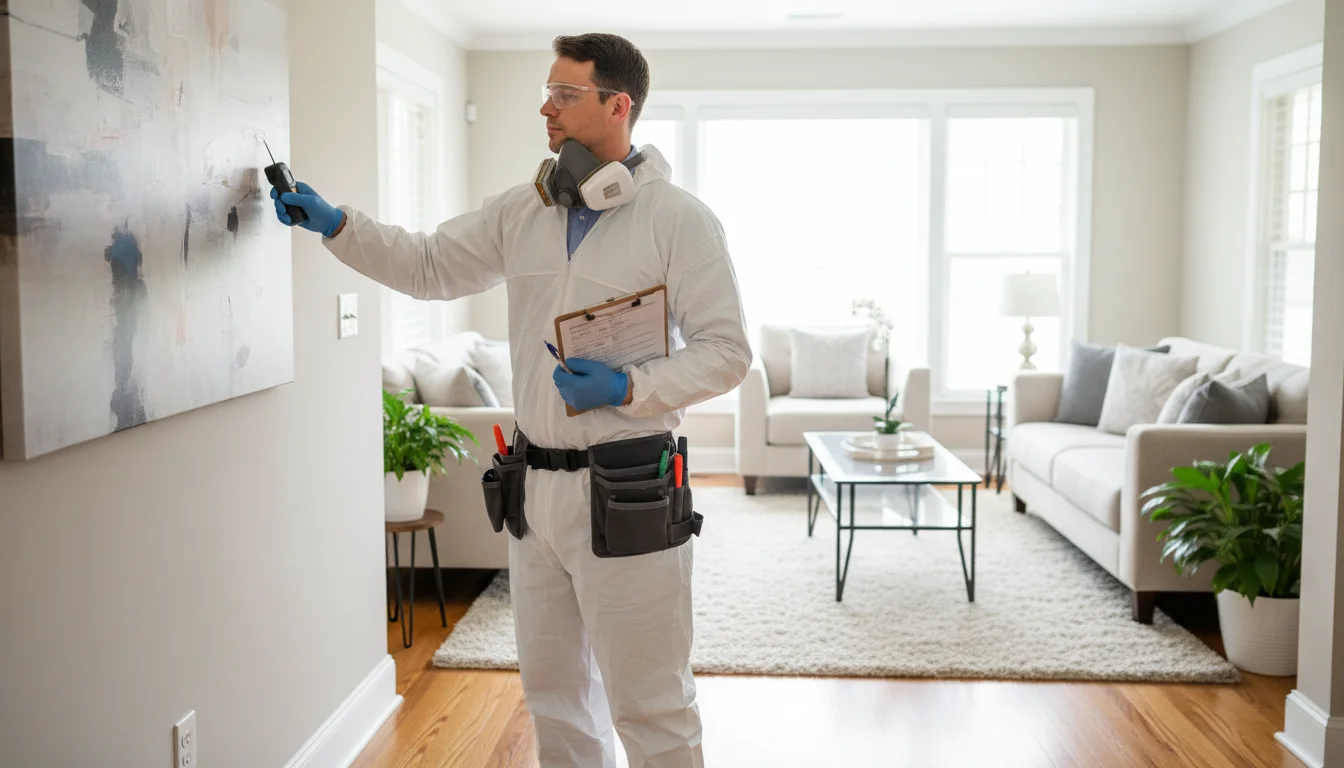
When a senior discovers mold in their home, the first question is usually about health. The second is almost always about money: "Who is going to pay for this?" Mold remediation for a typical single-family home ranges from $2,000 for a small contained area to over $15,000 for full crawl space encapsulation or attic remediation. For the 64 million Americans enrolled in Medicare, understanding what is and is not covered can mean the difference between a resolved problem and a worsening health hazard they cannot afford to fix.
Medicare Part A and Part B: What They Actually Cover
The most important fact to understand upfront: Original Medicare (Part A and Part B) covers medical treatment for mold-related illness — it does not cover mold remediation of the home. If a senior develops a respiratory infection, asthma exacerbation, or allergic pneumonitis from mold exposure, Medicare Part B covers doctor visits, diagnostic tests, and outpatient treatment. If hospitalization is required, Medicare Part A covers the inpatient stay. But neither Part A nor Part B will pay a single dollar toward removing mold from walls, floors, crawl spaces, or HVAC systems. This is a hard coverage boundary that catches many families by surprise.
The logic is straightforward from Medicare's perspective: they cover health care, not property maintenance. Mold remediation is classified as home repair, not medical treatment, regardless of how directly the mold is affecting the beneficiary's health.
Original Medicare covers mold-related medical treatment but zero dollars of mold remediation. The distinction between healthcare and home repair is absolute — no exceptions.
Medicare Advantage: Possible Supplemental Coverage
Medicare Advantage plans (Part C), offered by private insurers approved by Medicare, sometimes include supplemental benefits that Original Medicare does not. These can include allowances for home modifications, pest control, air quality improvements, and in limited cases, environmental hazard remediation. The key word is "sometimes" — coverage varies dramatically between plans and between carriers.
Some Medicare Advantage plans offer an over-the-counter (OTC) benefit card or a "healthy home" allowance that provides a quarterly or annual stipend — typically $50 to $200 — which can be used toward items like air purifiers, dehumidifiers, and cleaning supplies. While this does not fund a full remediation, it can help a senior manage minor mold problems or maintain a dryer environment after professional remediation is complete.
Seniors should call the member services number on the back of their Medicare Advantage card and ask three specific questions: (1) Does my plan include any home environmental hazard benefit? (2) Is there a healthy home or OTC allowance I can apply toward mold mitigation supplies? (3) Does my plan offer any special supplemental benefits for chronically ill members that could apply? The answers may reveal coverage options not immediately obvious from the plan's standard benefits summary.
Homeowners Insurance and Mold: The Sudden vs. Gradual Distinction
Standard homeowners insurance policies (HO-3) cover mold remediation when the mold results from a covered peril — a sudden and accidental event like a burst pipe, a windstorm that damages the roof, or water discharged from an appliance. In these cases, the insurer will typically pay for mold remediation as part of the water damage claim, though most policies cap mold coverage at $5,000 to $20,000 unless the homeowner purchased an endorsement for higher limits.
Where claims fail is on the "gradual" distinction. Mold that develops over months from high humidity, slow plumbing leaks, poor ventilation, or condensation is classified as a maintenance issue, not a covered loss. Insurance adjusters are trained to look for evidence of long-term moisture problems — water stains with rings indicating repeated wetting and drying, warped wood, rust on pipes — to deny claims on maintenance grounds. The burden of proof that the mold was sudden and accidental falls on the homeowner.
Documenting Mold for Insurance Claims
Proper documentation is the difference between a paid claim and a denial. Seniors and their caregivers should:
- Take dated photographs of the visible mold and the water source that caused it immediately upon discovery.
- Hire a professional mold inspector to produce a written report identifying the mold species, quantifying spore concentrations, and — critically — stating the likely cause and estimated duration of the problem.
- Obtain three written remediation estimates from licensed contractors to establish the reasonable cost of the work.
- Keep all receipts for temporary mitigation measures, such as portable dehumidifiers or air purifiers purchased to protect health while the claim is pending.
- File the claim promptly — most policies require "prompt notice" of loss, and delays can be grounds for denial.
VA Benefits for Eligible Veterans
Veterans enrolled in VA health care who have service-connected disabilities may qualify for home modification grants through programs like the Specially Adapted Housing (SAH) grant or the Home Improvements and Structural Alterations (HISA) grant. While these programs are primarily designed for accessibility modifications, HISA grants can sometimes cover environmental hazard remediation, including mold removal, when it is medically necessary and prescribed by a VA physician.
Additionally, some VA pension programs offer an Aid and Attendance benefit for veterans and surviving spouses who require assistance with daily living activities. While this benefit does not directly fund remediation, the additional monthly income it provides can help cover remediation costs. Veterans should contact their local VA regional office or a VA-accredited service officer (VSO) to explore all available options.
Payment Options for Fixed-Income Seniors
For seniors who cannot access insurance, Medicare Advantage, or VA funding, several pathways can make remediation affordable:
- Local Area Agency on Aging (AAA) programs — Some AAAs administer emergency home repair grants for low-income seniors facing health-and-safety hazards including mold.
- USDA Section 504 Home Repair loans — Available to very-low-income homeowners aged 62 and older in rural areas, these loans provide up to $40,000 at 1% interest for health and safety repairs including mold remediation.
- HUD Community Development Block Grants (CDBG) — Disbursed through local governments, CDBG funds can sometimes be used for emergency home repairs for low-income seniors.
- Contractor payment plans — Many reputable remediation companies offer in-house financing, 0% interest installment plans, or sliding-scale fees for seniors on fixed incomes.