Healthcare Mold Remediation Without Disruption: How Hospitals Stay Open During Remediation
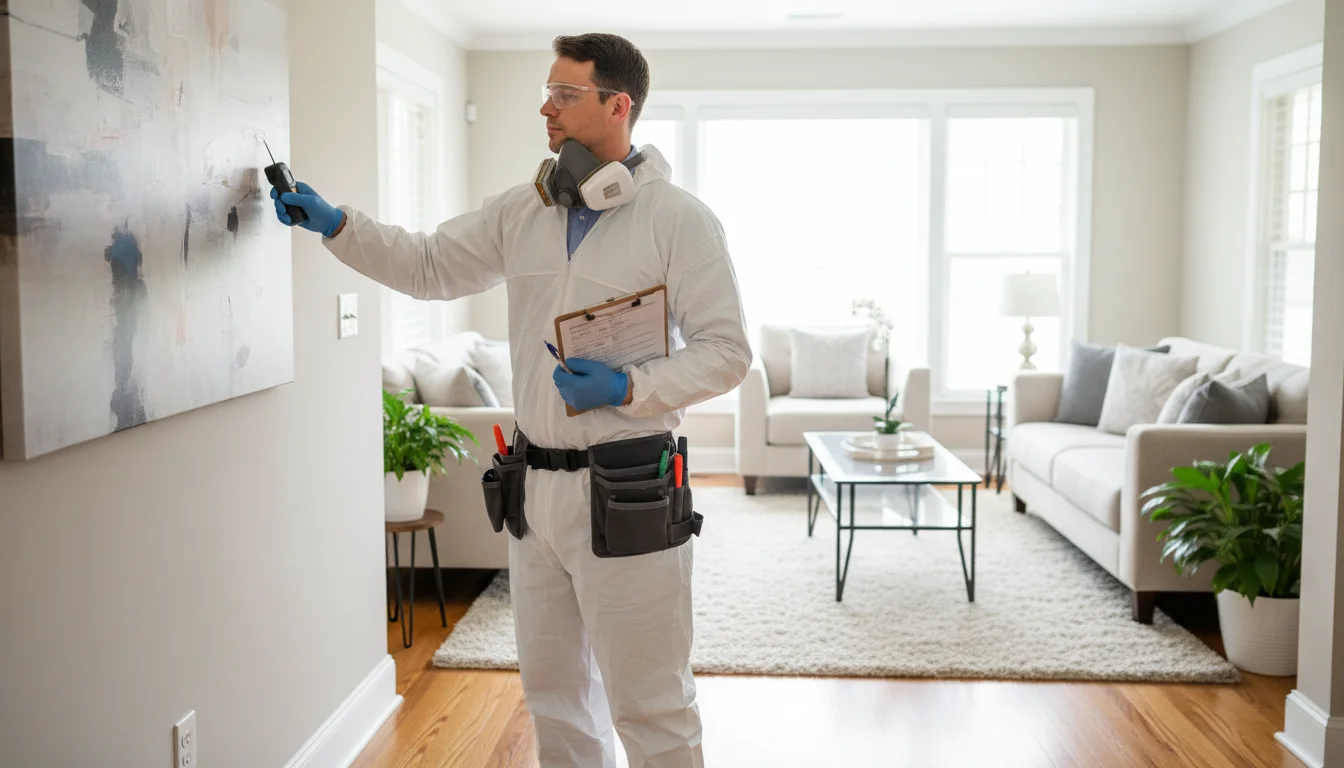
For most businesses, a mold problem means temporary closure. For a hospital, closure is not an option. Emergency departments must keep receiving patients. ICUs cannot relocate ventilated, unstable patients. Surgical schedules cannot be cancelled without cascading consequences for hundreds of patients. Healthcare mold remediation must happen around patient care — not the other way around. Here's how professional hospital mold remediation teams keep your facility fully operational while eliminating mold from affected areas.
Phased Containment: Remediating Zones Without Shutting Down Adjacent Areas
The cornerstone of hospital mold remediation without disruption is phased containment — dividing the affected area into workable zones and remediating them sequentially while adjacent zones remain fully operational. This approach requires careful planning but allows a hospital to continue treating patients throughout the remediation project.
A typical phased containment plan for a hospital wing might work like this: Zone A (the most heavily affected area) is contained first with hard-wall barriers and HEPA-filtered negative air. While Zone A is under active remediation, Zones B and C — which may share the same corridor or HVAC zone — remain open. Once Zone A passes post-remediation clearance testing, containment moves to Zone B. This rolling containment approach means only a fraction of the total affected square footage is offline at any given time, and patient care areas adjacent to the work zone remain accessible.
The key to successful phased containment is the ICRA. A properly drafted ICRA identifies every patient population within 100 feet of each remediation zone and specifies containment requirements for each phase. It also establishes the communication cadence: who needs to know what, and when, before each zone transition.
After-Hours and Weekend Scheduling: The Standard, Not the Exception
Professional hospital mold remediation teams operate on the hospital's schedule — which means nights, weekends, and holidays are standard work hours. A 7:00 PM to 5:00 AM work window allows remediation teams to set up containment, perform the day's scheduled removal and treatment, and have the work zone cleaned and inspected before the morning shift change — when patient census is lowest and elective procedures haven't begun.
This schedule requires coordination with: nursing supervisors to confirm which adjacent units can tolerate noise and activity, facilities management to verify that HVAC zone dampers can be adjusted to maintain negative pressure, security to manage after-hours contractor access, environmental services to handle post-remediation terminal cleaning, and infection control to perform daily containment integrity inspections. The remediation contractor's project manager should be the single point of contact for all these stakeholders — facility staff have enough to manage without coordinating a construction project.
Negative Air Pressure: The Invisible Barrier
HEPA-filtered negative air machines don't just prevent mold spores from escaping the work zone — they're what makes it possible to remediate mold 50 feet from an occupied ICU without risking patient exposure. A properly sized negative air unit maintains the work zone at -0.02 to -0.04 inches of water column relative to adjacent areas. This pressure differential means air flows into the work zone through containment gaps rather than out — containing spores at the source.
For hospital applications, negative air units must be HEPA-filtered (99.97% efficiency at 0.3 microns) and the exhaust must be ducted to the exterior — never into ceiling plenums, adjacent corridors, or return air grilles. Daily pressure readings should be logged and included in the project documentation package. If negative pressure is lost — due to a power interruption, containment breach, or filter loading — work stops immediately until it's restored.
Communication: The Critical Non-Technical Element
More hospital remediation projects fail from poor communication than from technical problems. The remediation team must establish a communication protocol before work begins that covers: daily updates to the facility manager and infection control director, advance notice to nursing units before containment changes or noisy work, clear signage on containment barriers explaining the purpose and duration, patient/family communication templates if questions arise, and an escalation path if unexpected conditions are discovered during remediation.
The difference between a successful hospital remediation and a disruptive one isn't equipment or technique — it's communication. The best remediation in the world fails if the nursing director finds out about containment changes from a patient's family member. — Healthcare Facility Management Journal