Healthcare Construction and Mold: Why ICRA Protocols Are Essential During Hospital Renovations
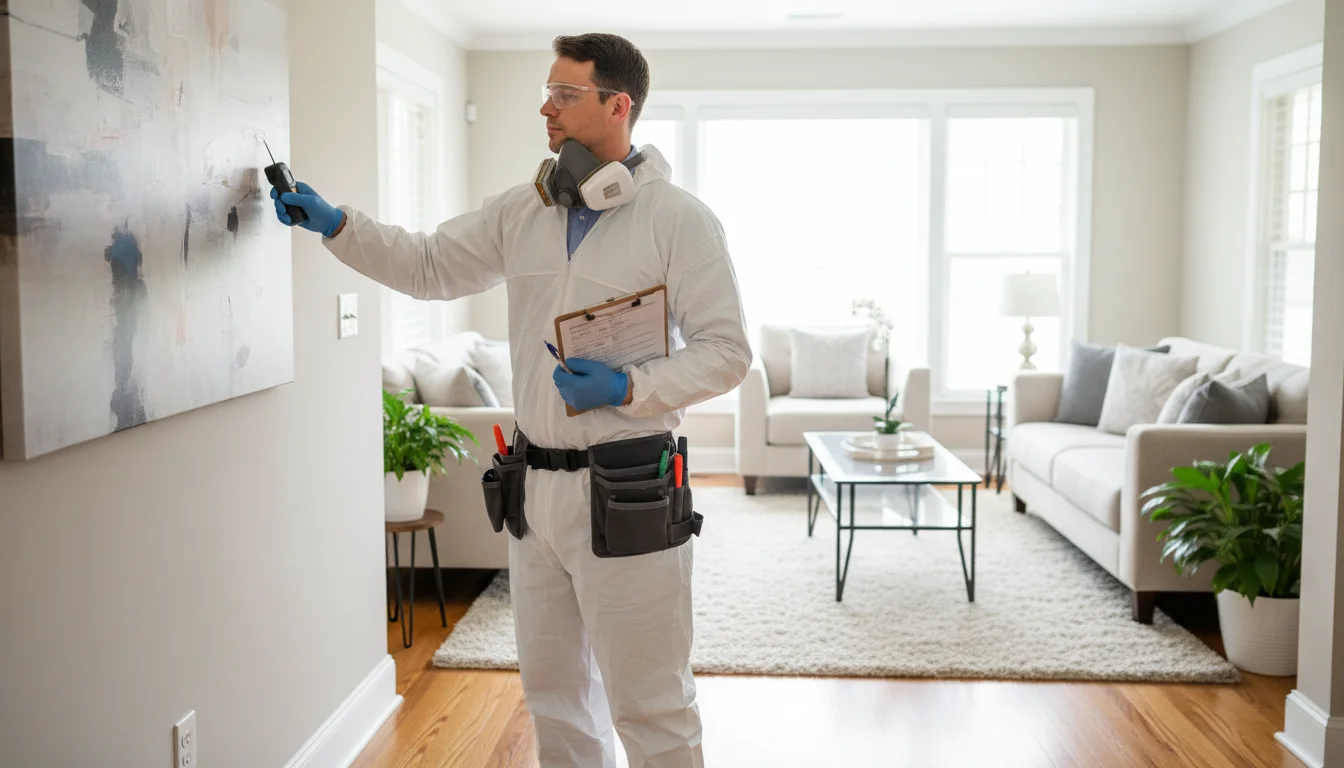
Hospital renovation projects — whether a single-room refresh or a multi-floor expansion — introduce risks that normal hospital operations don't face. Demolition releases dust and dormant mold spores trapped in ceiling cavities and wall voids for decades. New construction materials carry moisture that must dissipate before enclosure. Temporary HVAC shutdowns or reconfigurations during construction create humidity excursions in adjacent occupied areas. Every hospital construction project is, by its nature, a potential mold event — and the ICRA is the planning document that prevents it from becoming one.
Construction Moisture: The Overlooked Mold Source
New construction materials — concrete, gypsum board, joint compound, paint — all contain water that must evaporate before the building assembly reaches equilibrium. A typical hospital renovation introduces thousands of gallons of construction moisture into the building envelope. If that moisture isn't actively managed during construction, it can raise the dew point inside wall cavities high enough to support mold growth before the project is even completed.
The most common construction moisture mistakes in hospital projects include: enclosing gypsum board walls before joint compound is fully dry (minimum 48-72 hours of drying time before primer in humid conditions), installing flooring over concrete slabs that haven't reached the manufacturer's specified moisture content (typically below 75% relative humidity as measured by in-situ probes), and disconnecting temporary dehumidification before the building's permanent HVAC is commissioned and verified to control humidity. Each of these mistakes has produced mold discoveries during final punch-list walks — the most expensive possible time to discover a mold problem.
ICRA Barriers: More Than Plastic Sheeting
The ICRA specifies the physical barrier requirements between the construction zone and occupied patient areas. For Class III and IV projects — those adjacent to or above patient care areas — hard-wall barriers (gypsum board on metal studs, sealed at all edges) are typically required rather than poly sheeting. These barriers must extend from floor to deck above, not just to the ceiling grid, because ceiling plenums often serve as return air paths for adjacent areas. A barrier that stops at the ceiling grid leaves the plenum open as a pathway for construction dust and spores to migrate throughout the floor.
Barrier integrity should be inspected daily and documented. All penetrations — for electrical, plumbing, or data — must be sealed with fire-rated caulk or foam. The barrier should include a zippered entry with a sticky mat on both sides, and personnel should follow a clean-in/clean-out protocol to minimize tracking of construction dust into patient areas.
Post-Construction Clearance: Verifying the Space Is Safe
Before a renovated or newly constructed hospital space is turned over for patient occupancy, post-construction clearance testing should verify that: indoor airborne mold spore counts are at or below outdoor reference levels, visible mold is absent from all surfaces including above-ceiling plenums, HVAC systems serving the space have been cleaned and commissioned, relative humidity is stable within the 20-60% range for the space type, and all ICRA barriers can be removed without releasing accumulated dust into adjacent areas.
This clearance testing should be performed by an independent environmental consultant — not the general contractor or remediation contractor — to avoid conflicts of interest. The clearance report becomes part of the project closeout documentation and should be retained in the facility's permanent records for future Joint Commission surveys and risk management reference.
The most expensive mold problem in a hospital is the one discovered during final inspection of a newly renovated space — after the construction budget is spent and the opening date is on the CEO's calendar.